We’ve released Win2PDF version 11.0.8.1, a maintenance update that introduces several usability improvements, performance enhancements, and new command line capabilities.
This update adds a Reorder Pages feature to Win2PDF Desktop, making it easier to rearrange pages within an existing PDF. Our recent blog post on the Reorder Pages feature has more details.
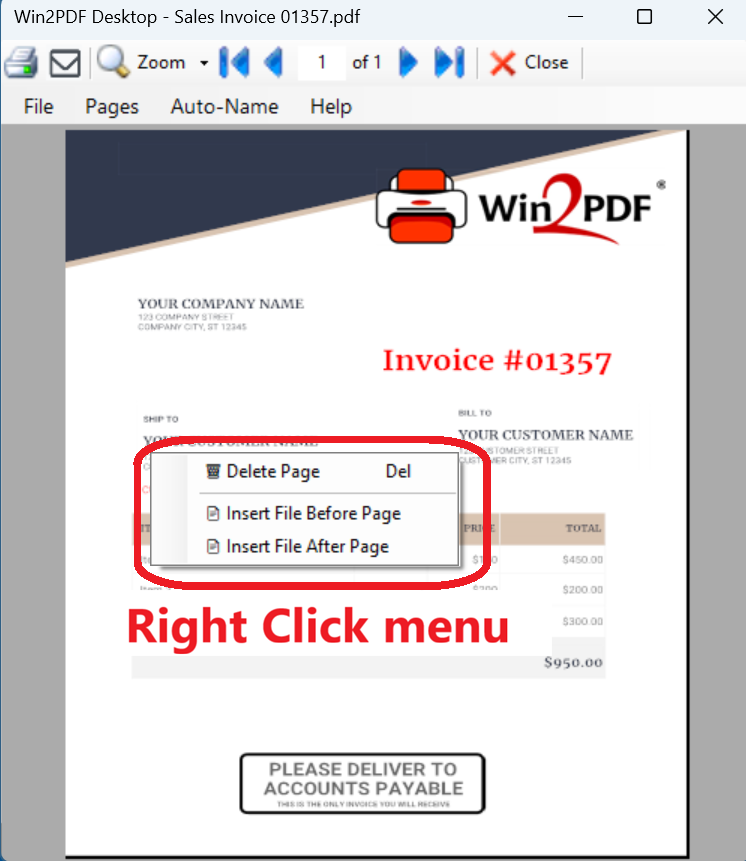
The Win2PDF Desktop PDF viewer now also supports right‑click context menus, allowing quick access to common actions such as deleting pages or inserting additional files. When you have a document open, just right-click anywhere on the document to bring up the new menu with options.
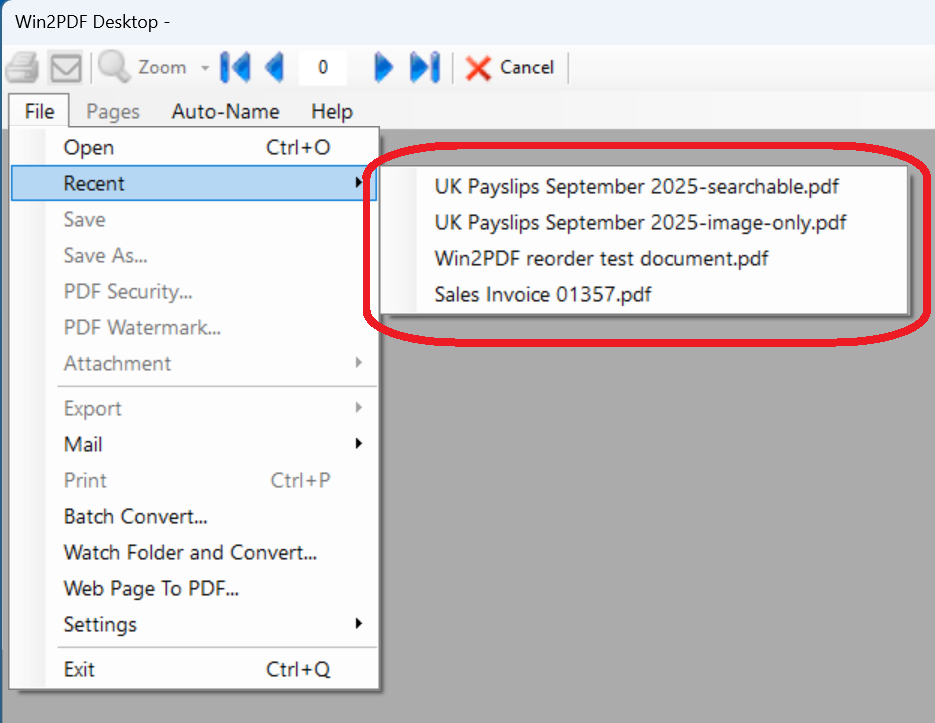
To streamline navigation, Win2PDF Desktop now includes a Recent Files menu, providing faster access to previously opened documents.
And for users who rely on automated workflows, this release adds support for rename plug‑ins, enabling custom file‑naming behavior through the Default Rename Action registry setting. The Auto‑Rename feature has also been optimized with improved performance through parallel processing.
Several new command line options are included as well.
We are pleased to announce the release of Win2PDF version 11.0, a free update that introduces several enhancements to expand the capabilities and features of Win2PDF. This update is designed to completely support Microsoft’s Windows 11 operating system, and to optimize your PDF workflows and provide greater efficiency.
Key features and improvements in this release include:
Enhanced Microsoft Outlook Integration:Microsoft is transitioning users from its older Windows Mail and Calendar apps to a new version of Outlook for Windows 11. The new Outlook is a move towards a more unified, modern, and feature-rich email client integrated with the Microsoft 365 ecosystem, but it does have some differences compared to both the old Mail app and the classic Outlook, including some that affect how Win2PDF attaches PDF files to email. Win2PDF now supports both the existing Outlook (classic), and provides the same seamless functionality to users moving to Outlook (new).
Automated Blank Page Removal: If you’ve ever received or generated a PDF that contains extra blank pages, you can now remove them using the new Delete Blank Pages feature. It automatically identifies and removes empty pages from your PDFs, contributing to cleaner and more professional documents. This feature also has an associated DELETEBLANKPAGES command line option.
Expanded Automation Customization Capabilities: Support for Batch Convert and Watch Folder and Convert plug-ins has been extended. You can customize batch convert processing by installing a Win2PDF Batch Convert Plug-in which can be very useful in many situations. For example, suppose you wanted to batch convert a folder of documents and then perform a secondary process on those newly created files – a batch convert Plug-In would allow you to do that. Current Plug-ins include the ability split pages, delete pages, append a PDF, apply watermarks, delete blank pages, digitally sign with a certificate, and more. When a batch convert plug-in is installed, an “Enable Plug-In” option is displayed in the Batch Convert Window.
Watch up to 20 folders with Watch Folder and Convert feature: The “CONFIGWATCHSERVICE” command line option now allows a single service to monitor up to 20 folders, enabling more robust automation for complex workflows. [Note: Win2PDF Pro Terminal Server Edition only feature]
Refined Text and RTF Conversions: This update includes fixes to improve the conversion of text files containing smart quotes to PDF, ensuring accuracy. Additionally, formatting issues encountered during RTF to PDF conversion have been addressed, resulting in improved document fidelity.
Improved Command Line Printing: For users utilizing the “PRINTPDF” command line, paper size selection has been refined, offering enhanced control over printing options.
As a free upgrade for existing customers using Win2PDF 7 or higher, we encourage you to explore these new features and see how they can further enhance your productivity. And while this new Win2PDF 11.0 release fully supports Windows 11.0, it also continues to support Windows 10, Windows 8, Windows 8.1, Windows 7, Windows Vista, and Windows XP. Win2PDF Terminal Server Edition 11.0 continues to fully support Windows Server 2025, Server 2022, Server 2019, Server 2016, Server 2012, Server 2012 R2, Server 2008, Server 2008 R2, Server 2003, and Server 2003 R2 (including 64 bit editions).
Microsoft recently replaced its built-in Windows 11 Mail app with a new version of Outlook in a February 2025 security update. After the update, the new app is installed as Outlook (new). If you previously had Outlook 365 or an older version of Outlook, it’s named Outlook (classic).
Haven’t we been here before?
Despite the similar appearance and name, the new Outlook is a complete rewrite of Outlook with many advanced features intentionally removed. One of the features that is not included is the interface that Win2PDF uses to attach a PDF to an email when the Use Microsoft Outlook option is configured.
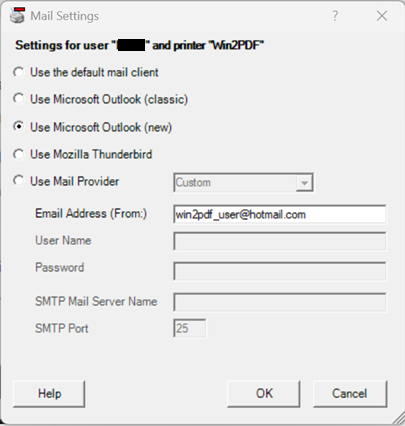
As you may have guessed, we’ve now updated our Configure Win2PDF Mail Settings interface to include both the Outlook (new) and Outlook (classic) configuration options (the latter has not changed).
When Use Microsoft Outlook (new) is selected, you’ll first need to specify the “Email Address (From:)“, and this address must match the configured address in Outlook (new). This is a new requirement compared to Use Microsoft Outlook (classic).
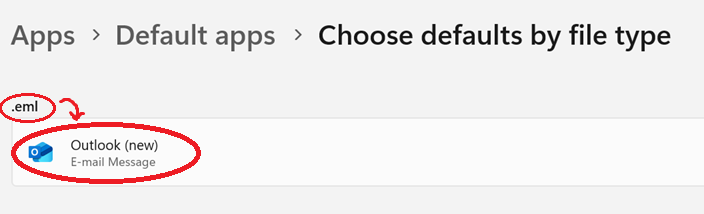
Also, Outlook (new) must be set as the default program for “.eml” files for this support to work correctly, but that should be the default handler already. (If needed, here are instructions for changing the default app in Windows 11).
Once the Outlook (new) mail is configured, it will be available for Win2PDF to use when sending a PDF by email.
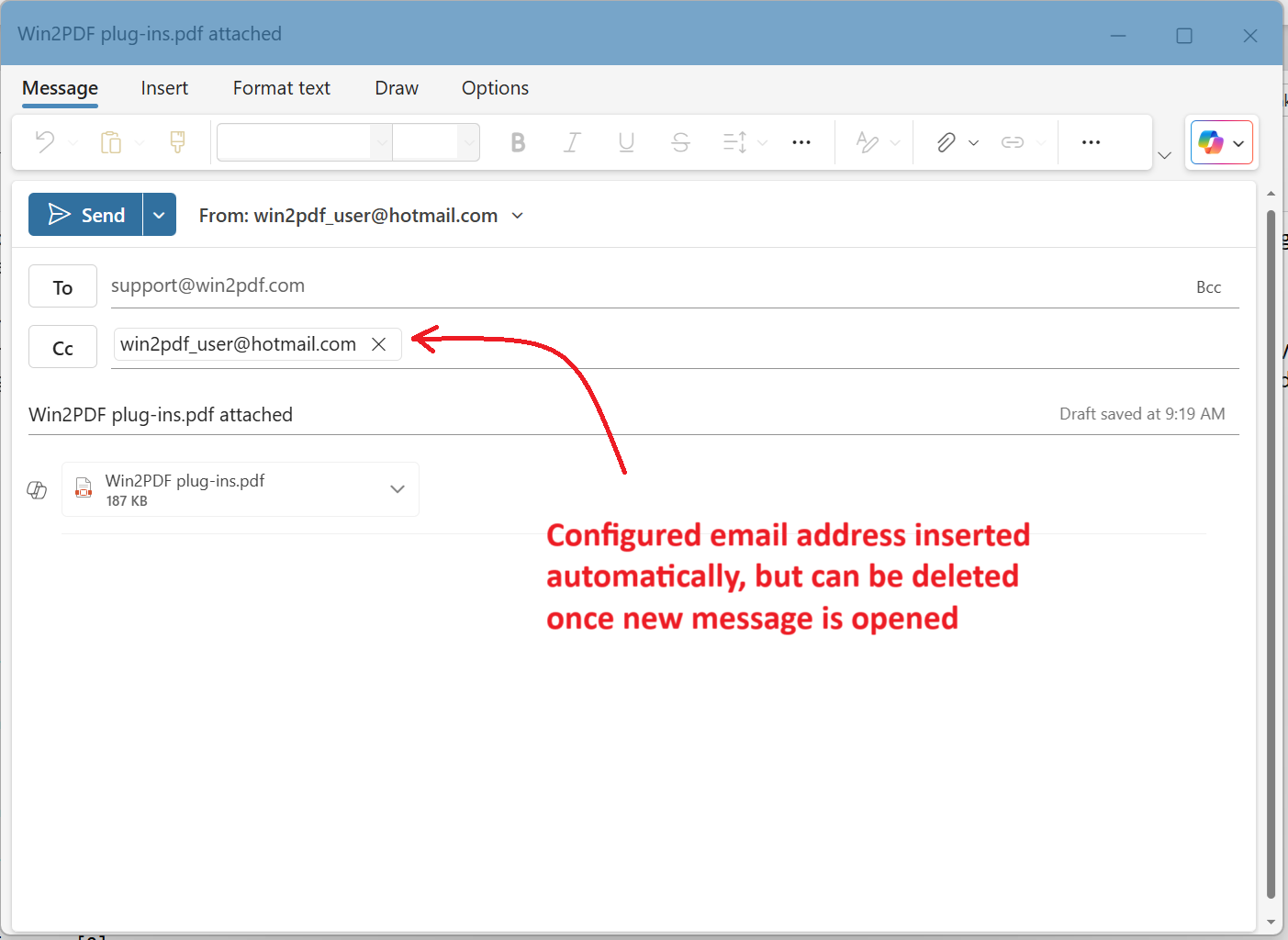
When a new mail message is created, the new Outlook requires a destination email address to be provided. Currently Win2PDF populates the Cc address with the From address (set in Configure Win2PDF Mail). Once the new mail message is created, the user can delete the Cc address after specifying a new To address if desired.
These changes are included in the updated Win2PDF Desktop 10.0.175. This is a free update to all current Win2PDF 10 users.
The latest Win2PDF update (version 10.0.174) includes several enhancements along with one significant new feature – the ability to attach a file to a PDF. This involves embedding the source document (like a Word document, Excel sheet, or another PDF) or adding a supplemental file within the PDF as an attachment.
When someone opens the PDF in a compatible viewer (like Adobe Acrobat), they can access and open the attached file.
This is useful for providing supplementary materials along with the main PDF document, or to include the source document as a reference for future editing or archiving purposes.
There are several practical reasons why you might want to insert or attach source documents into a PDF:
Maintaining Original File Formats
Sometimes, converting a file to PDF can lose certain functionalities or formatting. Attaching the original source file ensures that recipients have access to the file in its native format.
Legal or Auditing Purposes
In legal or auditing contexts, it’s often necessary to provide the original source documents as evidence. Attaching these files to a PDF ensures that they are kept together and are easily accessible.
Collaboration
When collaborating on a project, you might want to provide the source files for editing or review. Attaching them to a PDF makes it easy to share or archive all the necessary materials in one package.
Providing Supplementary Information
You might have a main PDF report, but want to include the raw data in an Excel spreadsheet, or detailed background information in a Word document. Attaching these files allows recipients to access the extra materials if they need them. For example, a financial report PDF could have the supporting financial data as an attached Excel file.
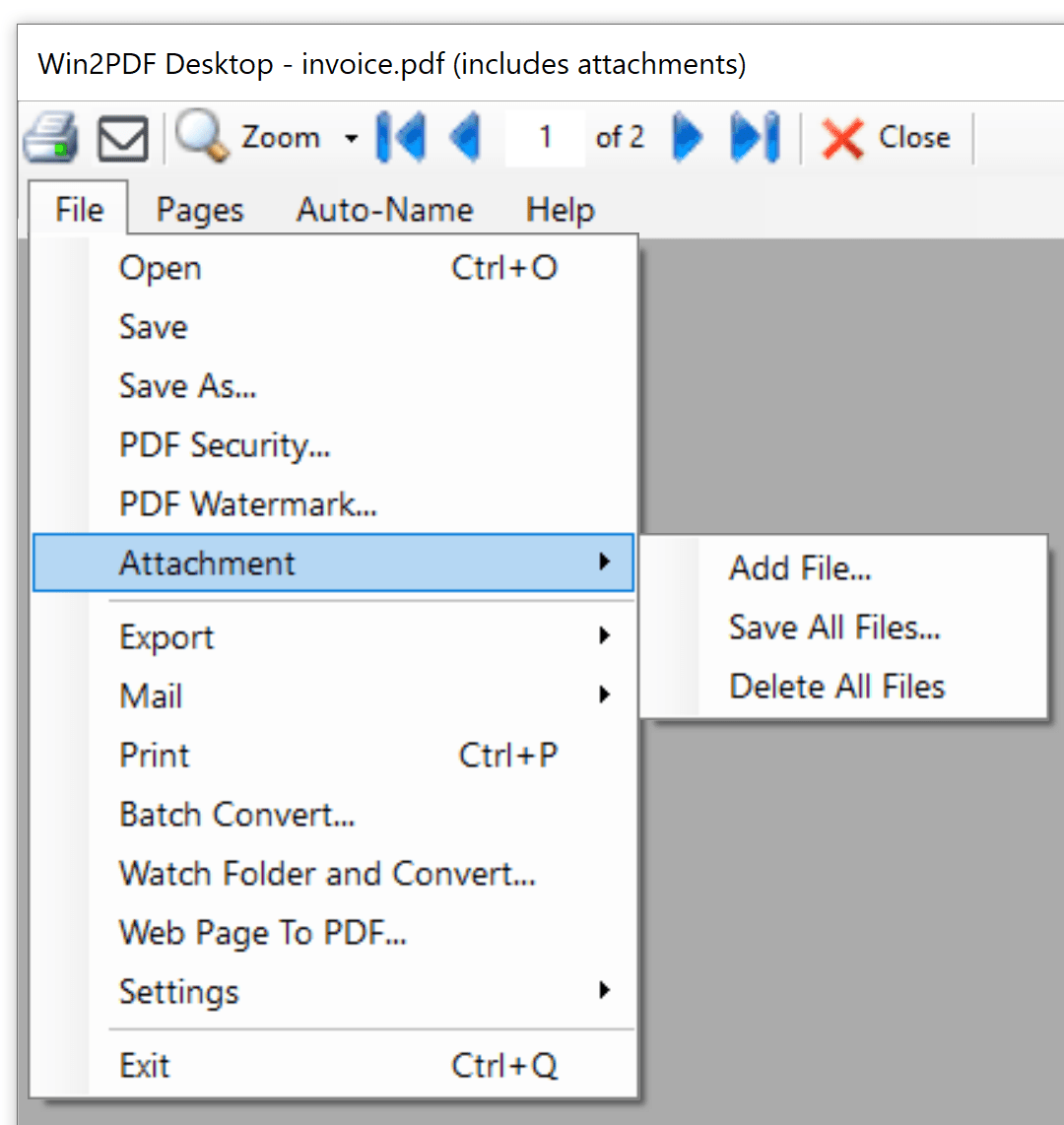
The Attachment feature can be accessed in several ways.
This method allows you to open a PDF file in the Win2PDF Desktop App and Add a file attachment, Save all attachments currently in the PDF file, and Delete all attachments in the PDF file. The Win2PDF Desktop window shows the PDF file name along with (includes attachments).
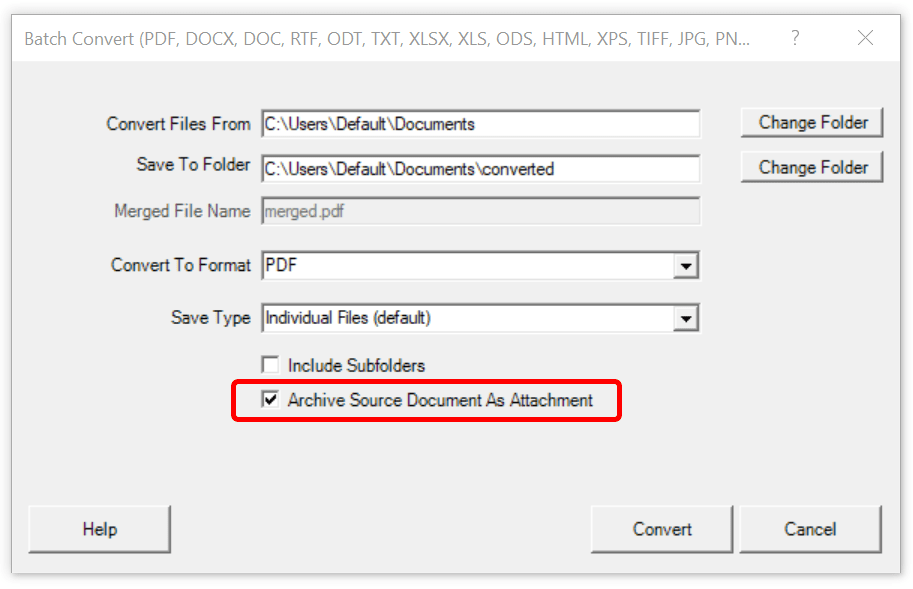
As part of the batch convert feature when the “Archive Source Document As Attachment” box is checked.
Of course, there are security risks when attaching or saving additional files from a PDF. For security reasons, files that could potentially contain malicious code, like .zip, .exe, and .bat, cannot be attached or saved using Win2PDF.
Once file(s) have been attached to a PDF, you can verify the new file in Adobe Reader. To view attachments in Adobe Reader, go to ” ≡ ➜ View ➜ Show/Hide ➜ Side panels ➜ Attachments”
Other changes to this update are:
Added support for converting email formats EML, MSG, and MHT files to PDF, images, and text. (Win2PDF Pro only)
Added command lines to convert from email formats to PDF: “EML2PDF“, “MSG2PDF“, and “MHT2PDF” command lines. Also added command line options to print spreadsheet formats to a paper printer: “PRINTEML“, “PRINTMSG“, and “PRINTMHT“. (Win2PF Pro only)
Added “pdfscansearchable” output format to the command line “convertto”, “batchconvert”, and “watchconvert” commands to improve text recognition for lower quality scanned documents
Added “makescansearchable” command line option to improve the text recognition for lower quality scanned documents.
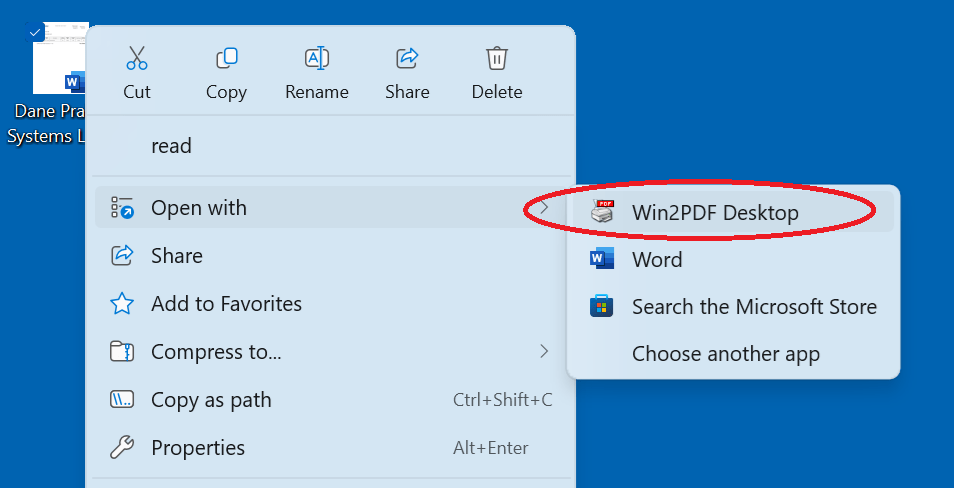
Added Windows Explorer “Open With” file associations for the following file types: .EML, .MSG, .MHT (Win2PDF Pro only)
Performance and stability improvements.
The downloads for the Win2PDF 10.0.174 Update are free for current Win2PDF 7 or higher users, and standard edition users can upgrade to Pro to get these new features.
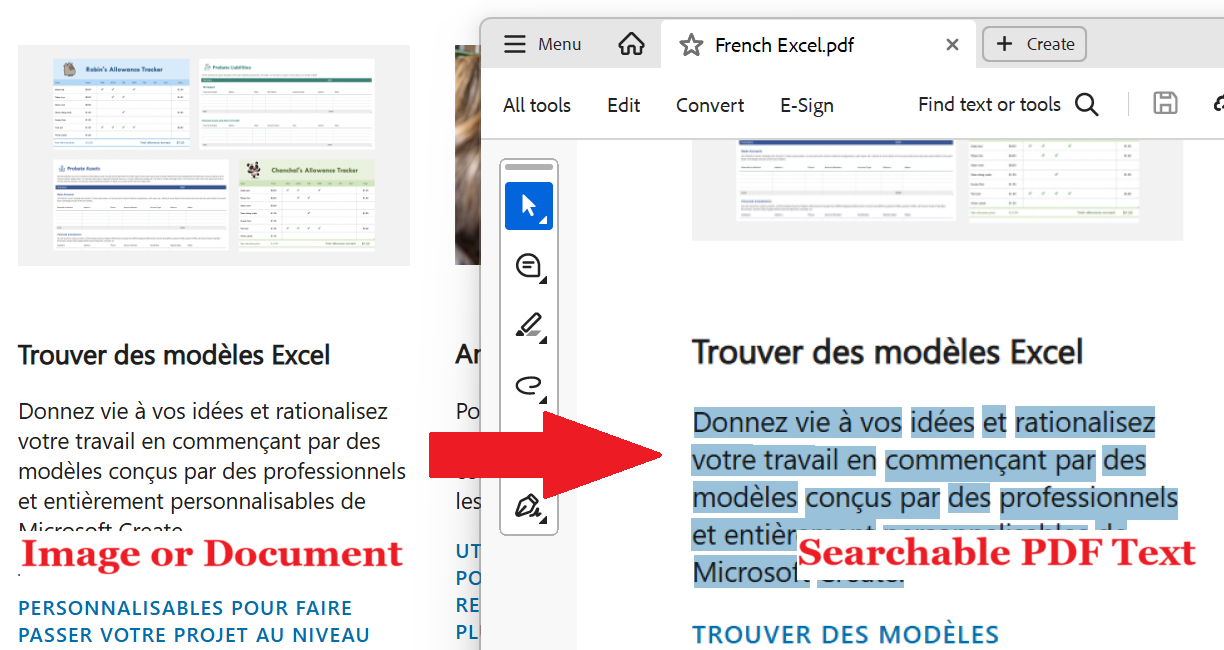
Most significant is the additional language support in the Win2PDF OCR Add-on setup program. Optical Character Recognition (OCR) is a powerful and useful tool used to convert scanned documents, images, previously archived documents, and other types of files to a PDF file with searchable text.
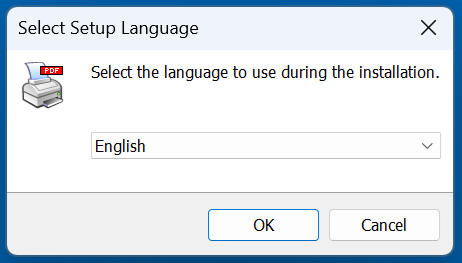
Users will now have the ability to dynamically download and install additional OCR training languages. The following language are now supported:
English, Deutsch (German), Français (French), Italiano (Italian), Nederlands (Dutch), Ελληνικά (Greek), Português (Portuguese), Español (Spanish), العربية (Arabic), Հայերեն (Armenian), Български (Bulgarian), বাংলা (Bengali), Català (Catalan), Corsu (Corsican), Hrvatski (Croatian), Čeština (Czech), 简体中文 (Chinese Simplified), Dansk (Danish), Suomi (Finnish), עברית (Hebrew), हिंदी (Hindi), Magyar (Hungarian), Íslenska (Icelandic), 日本語 (Japanese), 한국어 (Korean), Latviešu (Latvian), Lietuvių (Lithuanian), Norsk (Norwegian), Polski (Polish), Română (Romanian), Русский (Russian), Српски (Serbian), Slovenčina (Slovak), Slovenščina (Slovenian), Svenska (Swedish), ภาษาไทย (Thai), Türkçe (Turkish), Українська (Ukrainian), Tiếng Việt (Vietnamese)
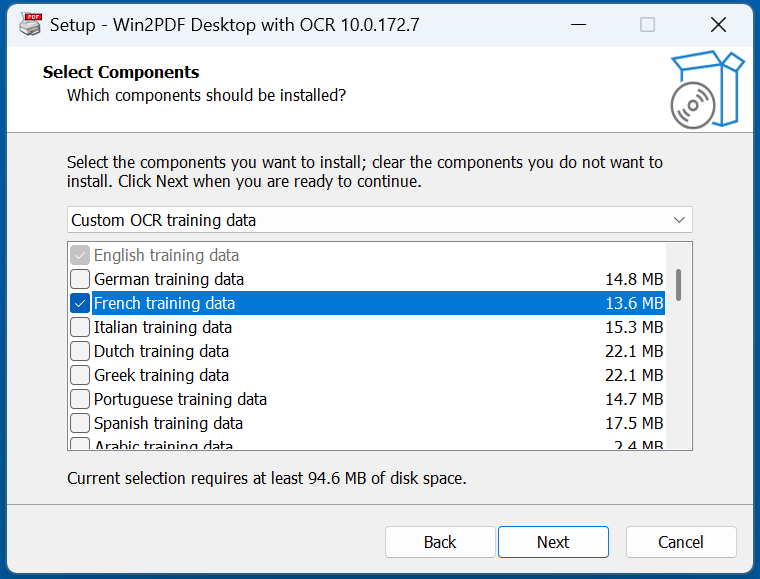
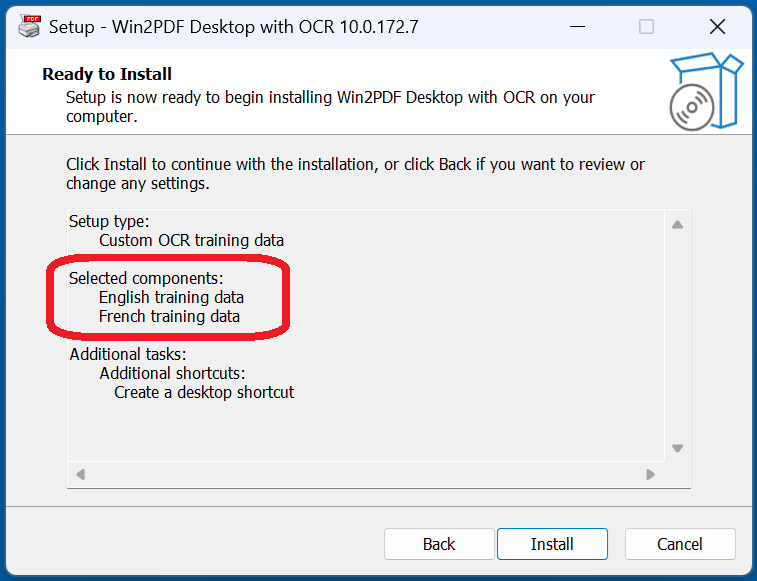
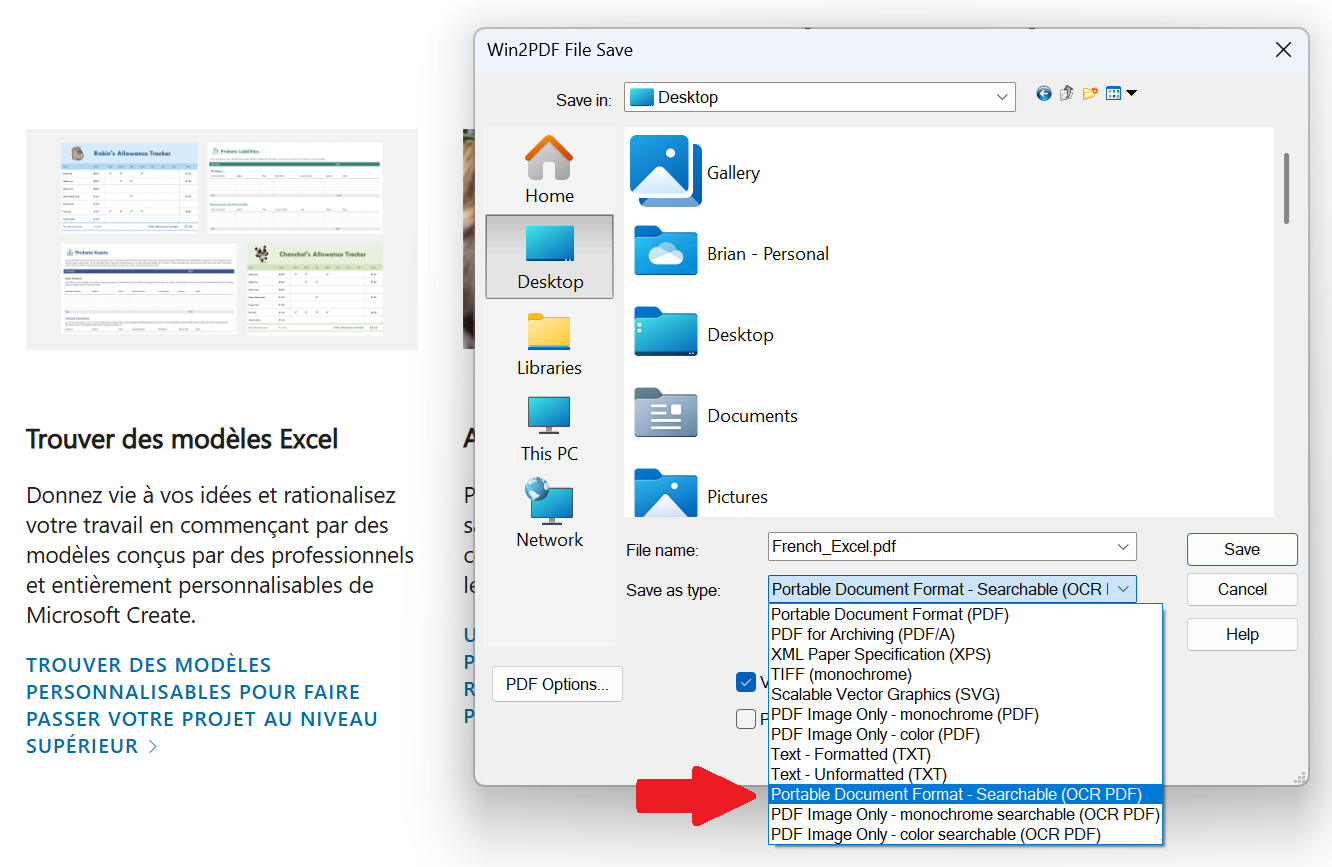
For example, if you wanted to use French training data in addition to English (and you’re using an English operating system), you’d select the following during the setup process.
Once the additional language training data is installed, you’ll be able to take any document or image file (with non-searchable French or English text) and convert it to a searchable PDF using Win2PDF and the “Searchable (OCR PDF)” output option. [Note: You’ll also be able to select this option using Batch Convert (Pro only), the MAKESEARCHABLE command line feature, or the Win2PDF Desktop Export features.]
In our example, since we installed the French training data, we’ll be able to OCR any document that contains French words and characters.
You can install any combination of language training data, but the training data is large and takes additional processing time so it’s best to only install language data for languages that you regularly use in documents.
And finally, here are the remainder of the version 10 build 172 enhancements:
Updated the PDF2DOCX and extracttext commands to automatically make the PDF searchable if it isn’t already searchable.
Added ispdfsearchable command line option that can be used to check the searchability of an existing PDF file.
Added addprinter command line option to add a Win2PDF printer.
Updated all command line options to create the output folder if it doesn’t exist.
Added Windows Explorer “Open With” file associations for the following file types:
We’ll cover other features in a subsequent post, but the most significant addition is that Win2PDF Pro now supports the ability to easily convert Microsoft Excel and OpenDocument spreadsheets (XLSX, XLS, XLSB, ODS, and CSV formats) to PDF, images, and text. Win2PDF supports these formats directly, and Microsoft Excel or OpenOffice do not need to be installed. (Note: This is a Win2PDF Pro feature only)
Converting a spreadsheet file to PDF is useful for several reasons:
Preservation of Formatting: PDF ensures that the layout, fonts, and formatting of the spreadsheet remain consistent across different devices and operating systems. This is crucial when sharing the file with others who may not have Excel or have a different version.
Security: PDFs can be password-protected, preventing unauthorized editing or copying of the data. This is important for sensitive financial or personal information.
Portability: PDFs are widely supported and can be opened on virtually any device without the need for specific software. This makes them ideal for sharing and distributing information.
Archiving: PDFs are a stable format suitable for long-term archiving of data, as they are less likely to become corrupted or incompatible with future software.
Earlier versions of Win2PDF Pro supported Microsoft Word document formats, but this update expands coverage to Microsoft Excel and OpenOffice spreadsheet formats. This is a free update to licensed users of Win2PDF 7 or higher.
In the Win2PDF Desktop app, you’ll now see conversion options for XLSX, XLS, XLSB, ODS, and CSV formats in the Batch Convert and Watch Folder (Win2PDF Pro TSE only) interfaces. These features now support the following spreadsheet file formats:
XLSX – Microsoft Excel Workbook
XLS – Microsoft Excel 97-2003 Workbook
XLSB – Microsoft Excel Binary Workbook
CSV – Comma Separated Values
ODS – OpenDocument Spreadsheet
One thing to note is that there are differences between these spreadsheet formats when used as inputs versus outputs. As an input format, the new spreadsheet formats can be read and converted to anything (PDF, Image, Text). As an output format, however, it can only handle another spreadsheet format as input.
We’re pleased to announce the latest release of Win2PDF version 10.0.169.1 This free update brings a significant enhancement to our Batch Convert feature—parallel processing. Along with this update, we’ve included fixes for handling improperly formatted PDF files and addressed installation issues that were causing missing file errors.
Parallel Processing in Batch Convert
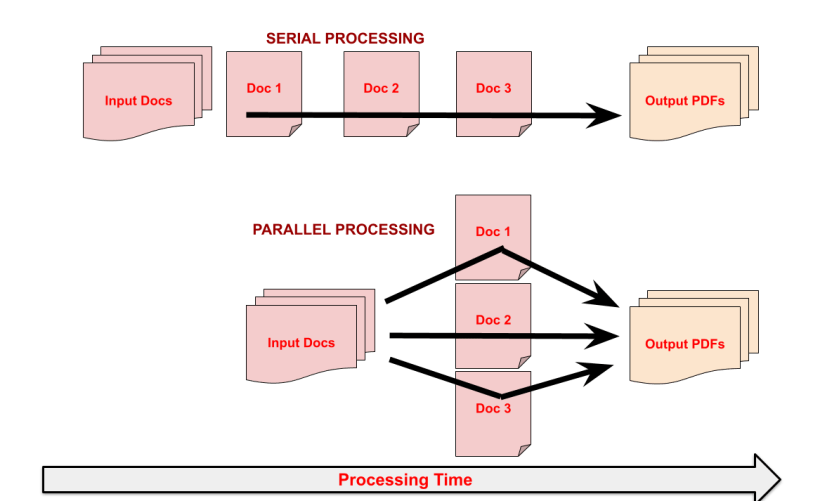
Most of today’s modern CPUs come with multiple cores, allowing them to perform several tasks simultaneously (provided that your software programs support them). This is where parallel processing shines—by dividing tasks into smaller chunks that can be executed concurrently, it dramatically speeds up processing times. With the release of Win2PDF 10.0.169.1, we’ve integrated parallel processing into Win2PDF’s Batch Convert feature, specifically for users who choose “individual files” as the output.
How Does It Work?
When converting a large batch of files, Win2PDF will now process multiple files simultaneously, utilizing the full power of your multi-core CPU. This means that instead of processing one file after another in a linear fashion (serial processing), Win2PDF can handle several files at once (parallel processing), significantly reducing the time needed to complete large conversion tasks.
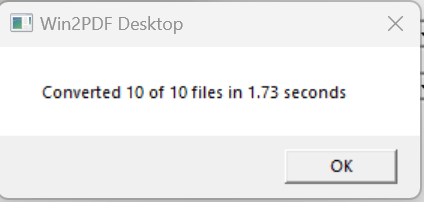
However, it’s important to note that this performance boost applies only when the output is set to “individual files.” If you choose to merge your files into a single PDF, the conversion must occur sequentially to ensure the correct order of pages. Despite this, you can still get a rough idea of the performance improvement by comparing the processing time for both individual and merged outputs. The new Batch Convert interface (shown below) now shows the time it took to complete the task, making it easier to gauge the impact of parallel processing.
Why Is This Important?
This enhancement is especially beneficial for customers who need to make large folders of scanned documents searchable using OCR (Optical Character Recognition). With the ability to process multiple files at once, the time it takes to convert and prepare documents for OCR is drastically reduced, allowing for a more efficient workflow.
It’s also important to note that this conversion process takes place entirely on your machine, using your hardware. Your files are never uploaded to the cloud or leave your computer.
Additional Fixes and Improvements
Handling Improperly Formatted PDF Files: We’ve improved how Win2PDF handles improperly formatted PDF files, reducing errors and ensuring smoother conversion processes.
Installation Fixes: This update also addresses issues related to missing files during installation, providing a more seamless setup experience.
Upgrade to Win2PDF 10.0.169.1 Today!
With the introduction of parallel processing, Win2PDF continues to evolve, offering enhanced performance and reliability for your PDF conversion tasks. Download the latest version today and experience the power of parallel processing.
It’s not surprising that Microsoft didn’t borrow the slogan, ‘God Is My Co-Pilot’ for its release day. Although Qualcomm, maker of the Snapdragon X chips that power the first series of Copilot+ PCs, opted for Apple’s ‘I’m a Mac’ guy, so at least somebody’s having fun with Microsoft’s new product.
As we noted in our last blog post, starting today, as is the custom with new Windows related hardware and operating system releases, Win2PDF has a free update available with support for these PCs. This update is available on our helpdesk for now, but we’ll be updating our general release versions shortly once we complete more rigorous testing with the official release PCs. And again, it will install and operate just like Win2PDF on any other Windows computer.
While the first wave of Copilot+ PCs have the Qualcomm Snapdragon X processor, future PCs are set to include processors from the likes of AMD, Nvidia, and MediaTek. More PC options will abound, but since they’ll all be running on Windows 11 (specifically Windows for Arm), Win2PDF will support them all.
Stay tuned for future updates on Win2PDF and Copilot+ PCs now that they’ve hit the stores.
Now we’re back with an update featuring recent developments in this area.
First, let’s look at what’s new with Microsoft and Windows for Arm?
Microsoft Copilot
A little over a year ago, Microsoft introduced Microsoft Copilot, an AI assistant built into Microsoft 365 apps and Windows that uses large language models to help with writing, editing, and analyzing content across Word, Excel, PowerPoint, Outlook, and OneNote. It summarizes documents and emails, generates formulas and analyzes data, drafts replies and suggests follow-up actions, and even creates images.
Currently, most of these AI tasks are handled in the cloud because of the intensive processing required. While this is efficient in terms of performance, it comes at the expense of security risk and user control.
Copilot+ PCs
Now, Microsoft has announced a new class of computers called Copilot+ PCs that continue to expand the use of AI on the local hardware. The first batch of these new PCs, from PC manufacturers like HP, Acer, Lenovo, Samsung, and Dell, as well as Microsoft’s own Surface Laptops, feature a new Arm-based neural processing unit (NPU) powered by Snapdragon® X Series chips. Microsoft’s Satya Nadella talks about these Copilot+ PCs and how they align with Microsoft’s vision in this Wall Street Journal interview:
Interview with Microsoft CEO Satya Nadella
Essentially, Copilot+ PCs will bring AI processing closer to the “edge”– the local PC. With its ability to do more complex tasks at a greater speed and with less power, this finally positions Windows PCs on an even footing with Macbooks in the mobile computing market.
Win2PDF & Support for Windows for ARM
Will Win2PDF work on ARM based Copilot+ PCs just like existing PCs?
YES.
Many software applications can support ARM by simply emulating the Intel instruction set on Windows for ARM processors. While the compatibility (and performance) of existing applications under emulation is great, there is no emulation layer for print drivers like Win2PDF. These drivers still must be developed separately for ARM-based PCs, and many other printer-based products do not currently support them.
The new Win2PDF release will include a new printer driver for ARM based PCs. The setup program will automatically detect ARM based PCs and will install the correct version of the printer driver. As far as the end-user is concerned this will be completely transparent; there is no difference in how Win2PDF will install or work on the new PCs.
The History of Win2PDF OS and Hardware Support
How does Win2PDF fit into this new mobile landscape? Let’s look at our history.
Win2PDF was initially developed in 2000 for PCs running on x86 (Intel & AMD) chips on Windows NT. Since the introduction, we’ve continued to support new versions of Windows (Windows 2000, Vista, 7, 8, 10, 11) and new processor architectures.
With our upcoming releases, we’ll not only support Windows XP through Windows 11, but we’ll also support x86, x64, and ARM64 architectures. There are very few PDF software developers that still support this continuum of operating systems and architectures. Companies standardizing on Win2PDF will be able to use the same version of Win2PDF across the organization.
Stay tuned
Over the next several months you’ll see new release updates to Win2PDF that will continue to support this next generation of Copilot+ PCs.
The latest Win2PDF update includes an additional command line feature to convert reports and other specially formatted documents to PDF using a fixed width font. This feature is needed for some reports to be rendered and viewed correctly, since many applications (especially older ones) were designed to send reports to a line printer or a simple fixed width text file. The results only look correct if each character is equally spaced.
Previously, the Win2PDF txt2pdf command line option would create a PDF file with variable width text. With the new command line option – formattedtxt2pdf – users can output the file with a fixed width text font instead of variable width text.
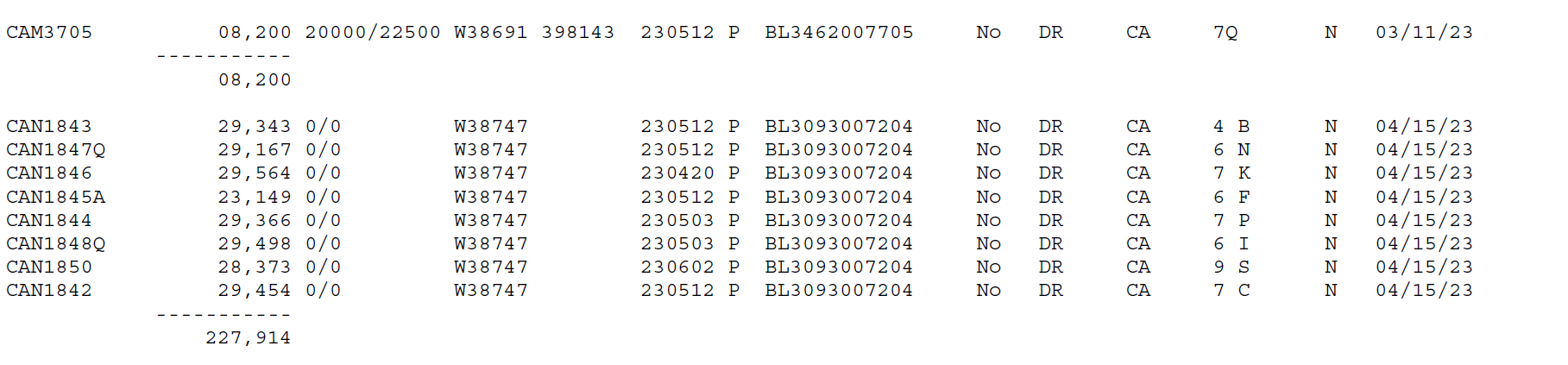
For example, here’s a portion of a report generated by a legacy application and saved to a PDF file using the original txt2pdf command.
Notice that the report doesn’t look right because the characters aren’t evenly spaced. However, here is the same report converted to a pdf file with the new formattedtxt2pdf command.
Now it looks correct, even though the text is exactly the same.
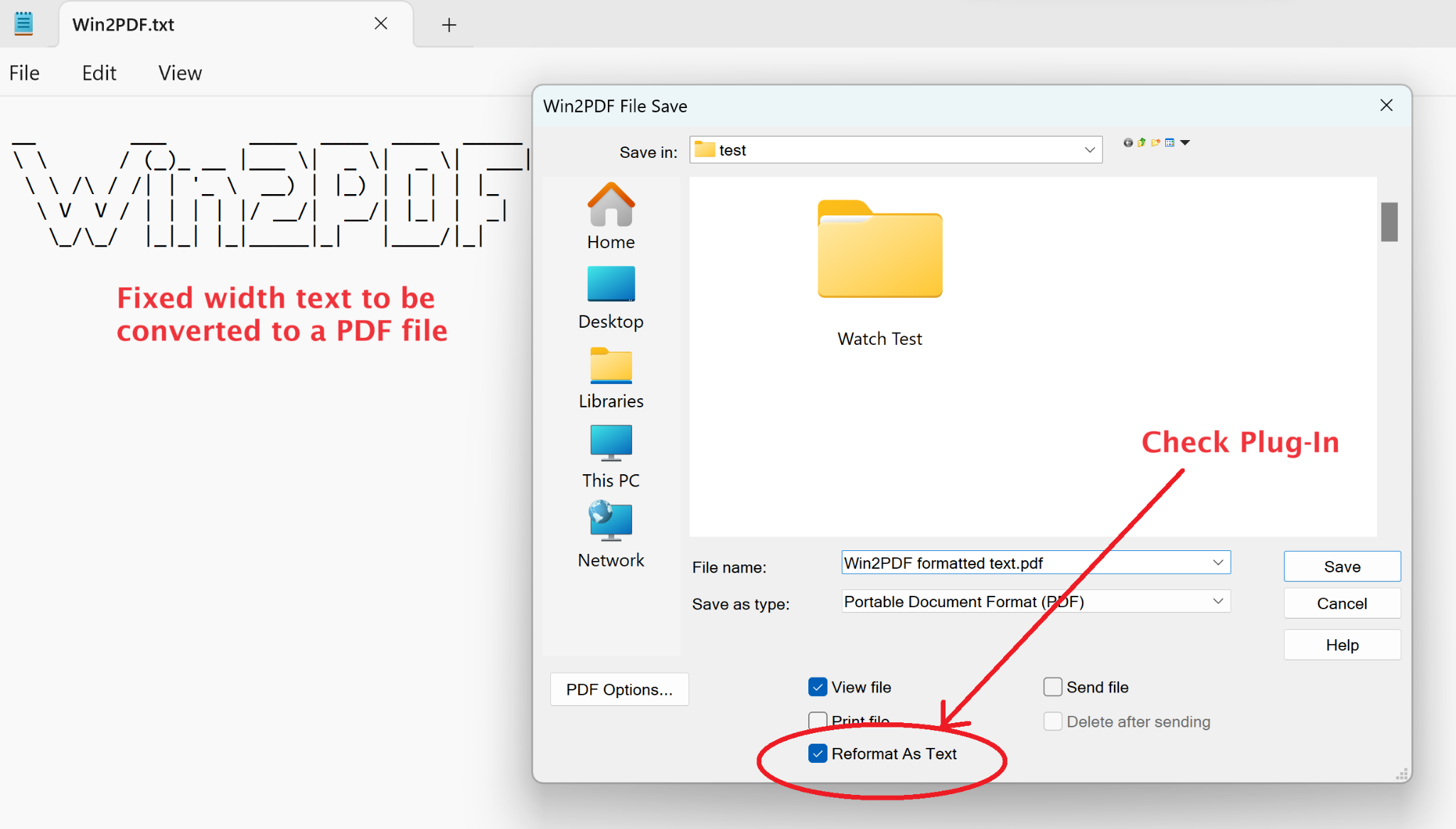
In addition to this command line feature, there’s a new Win2PDF Reformat As Text plug-in to simplify the creation of the files using this method.
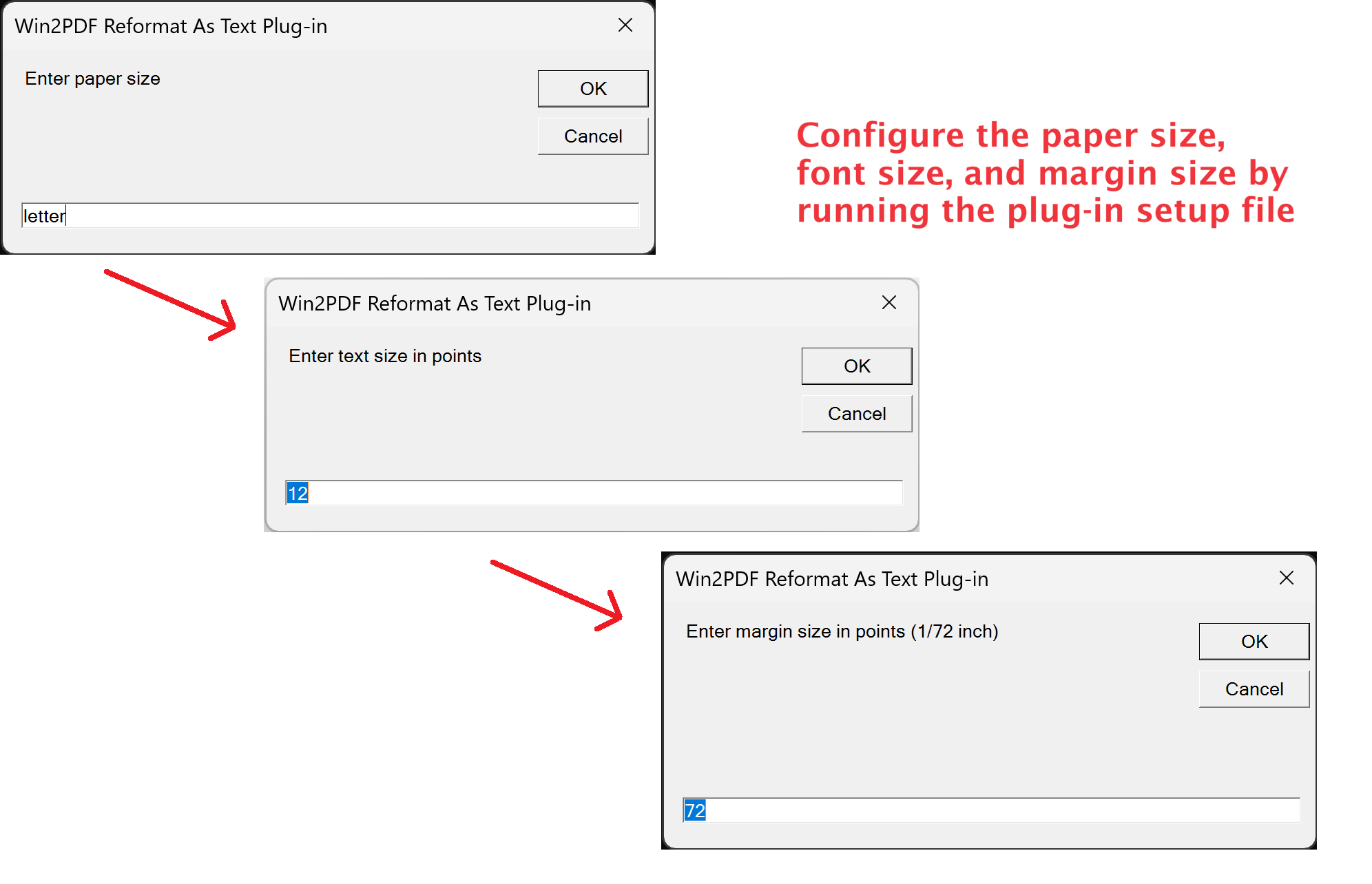
First, download the plug-in setup file and double-click on it to configure the Win2PDF Reformat As Text plug-in. You will be prompted to enter the paper size, font size, and margin size to configure the plug-in values as shown below.
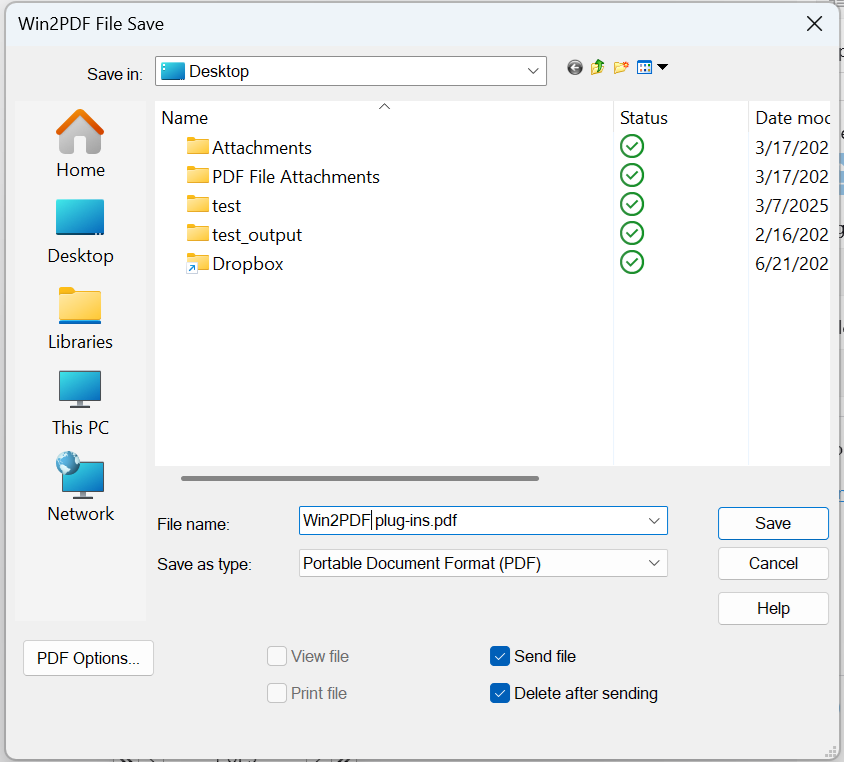
You may need to adjust these options to allow all text to fit on a page. Then, after the plug-in has been installed and configured, you can check the new box on the Win2PDF file save window labeled Reformat As Text. When saved, the fixed width formatted PDF file will be created.
Give it a try and if you have any questions, let us know.







 PDF Blog - Topics from the makers of Win2PDF